Blockchain Networks Powering Mobile Access to Global Roulette Tables, Blackjack Tables, and Slot Collections for UK Players in June 2026
Hugo Hartmann · Jun 2, 2026
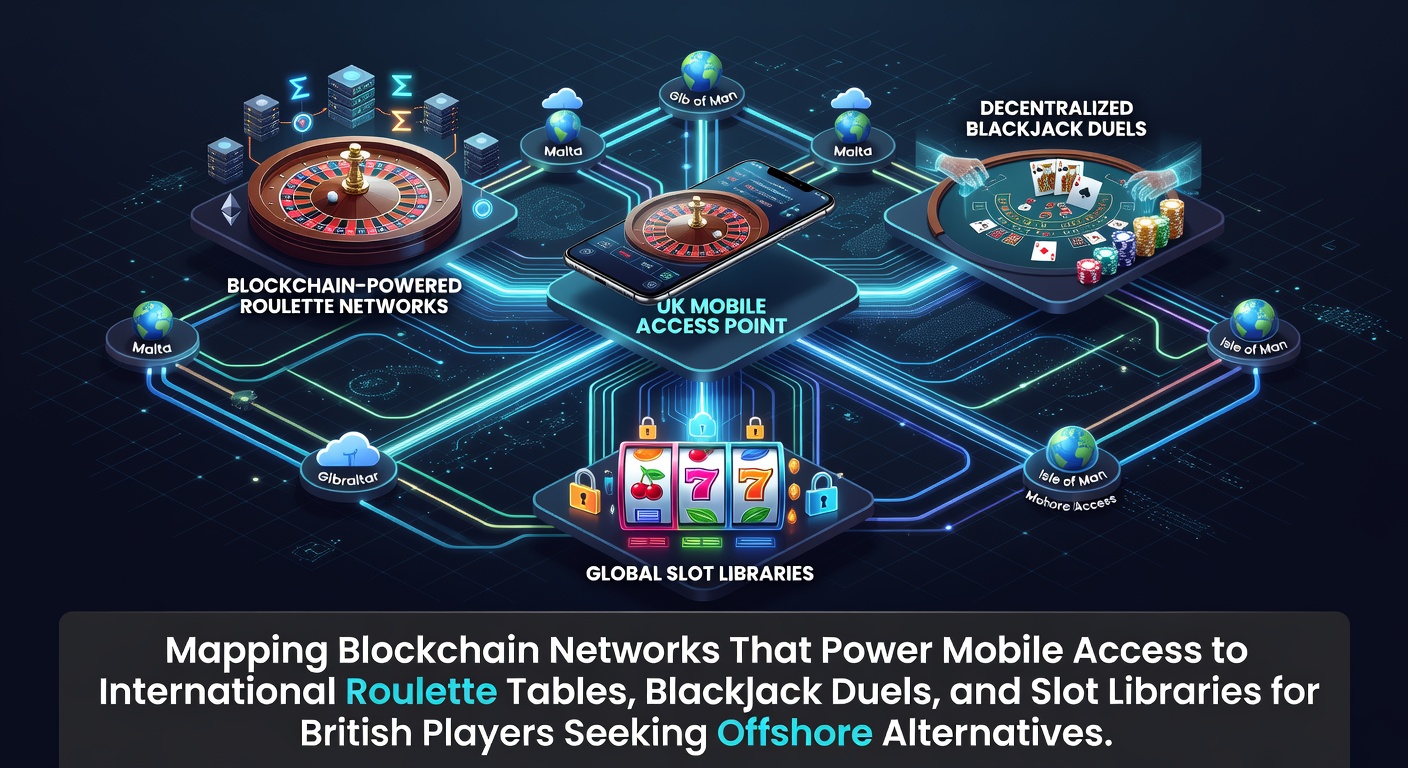
Blockchain Networks Powering Mobile Access to Global Roulette Tables, Blackjack Tables, and Slot Collections for UK Players in June 2026
Blockchain networks form the backbone for many mobile platforms that deliver roulette tables, blackjack duels, and slot libraries to British players exploring offshore alternatives, and these systems have expanded notably by June 2026. Distributed ledger technology handles transaction verification and game outcome recording without relying on traditional banking channels, which allows direct mobile connections through apps or browsers to servers located outside UK jurisdiction. Networks such as Ethereum, Solana, and Polygon process the bulk of these interactions, with each chain offering distinct speed and cost profiles that influence which games load fastest on smartphones and tablets.
Core Networks and Their Technical Roles
Ethereum remains a primary choice for platforms that incorporate smart contracts to manage game fairness and payouts, while Solana supports higher transaction volumes suited to rapid slot spins and live dealer streams. Polygon operates as a layer-two solution that reduces fees on Ethereum-based systems, which makes it practical for frequent small bets common in blackjack sessions. Data from industry reports indicate these three networks account for most mobile casino traffic in offshore environments, with transaction speeds ranging from under one second on Solana to several seconds on base Ethereum layers during peak periods.
Players connect through wallets integrated into mobile applications that interface directly with these ledgers, bypassing conventional payment processors. Roulette wheels and blackjack tables update in real time as blockchain confirmations validate each round, and slot libraries draw from random number generators tied to on-chain oracles for verifiable results. This setup enables access from devices running iOS or Android without additional verification layers in many cases, provided the platform holds licenses from jurisdictions such as Curaçao or Malta.
Mobile Integration Patterns Across Games
Slot libraries benefit most from high-throughput chains because thousands of micro-transactions occur during bonus rounds and autoplay features, whereas roulette and blackjack require stable connections for live video feeds synced with bet settlements. Observers note that developers optimize mobile interfaces to prioritize Solana for slots during high-traffic hours, shifting some roulette traffic to Polygon when Ethereum gas fees spike. These adjustments appear in usage statistics tracked by analytics firms that monitor wallet activity across offshore domains.
Case examples show one platform routing blackjack duels exclusively through Ethereum smart contracts for audit trails, while another routes slot sessions across Solana to maintain sub-second response times. British users seeking these options often select networks based on current fee levels and confirmation reliability, which fluctuate with overall blockchain congestion. Research from the University of British Columbia on distributed ledger applications in gaming highlights how these choices affect session duration and withdrawal processing times.
Geographic and Regulatory Context in Mid-2026
Offshore platforms using these networks typically operate under licenses issued by authorities outside the United Kingdom, such as those in the Caribbean or European microstates. Figures from the European Gaming and Betting Association reveal steady growth in blockchain-based mobile gaming volumes through the first half of 2026, driven by improved wallet compatibility and wider smartphone adoption. British players access these environments via VPNs or direct routing, with game libraries updated regularly to include new roulette variants and expanded slot titles.
Transaction logs stored on public ledgers provide transparency for dispute resolution, although individual user identities remain pseudonymous unless platforms impose additional checks. This structure supports the offshore model while maintaining operational continuity across time zones, allowing 24-hour availability of live dealer tables. Analysts at the Asia Pacific Association of Gaming Regulators have documented similar patterns in other regions, confirming that network selection correlates strongly with player retention metrics.
Future Mapping Considerations
Additional chains such as Avalanche and Cardano appear in emerging platforms as developers test lower-energy alternatives for slot and table integrations. Mobile optimization continues to evolve with updates to wallet software that embed direct ledger queries, reducing reliance on intermediary servers. Those who track these developments point to increasing interoperability protocols that let users move assets between networks without leaving the gaming interface.
By June 2026 the landscape shows clear segmentation, with established networks handling the majority of roulette, blackjack, and slot traffic while newer chains capture niche segments focused on specific game types or regional preferences. This distribution reflects both technical capabilities and licensing requirements that shape how British players interact with international offerings.
Conclusion
Blockchain networks continue to underpin mobile delivery of international roulette tables, blackjack duels, and slot libraries for users exploring offshore alternatives, with Ethereum, Solana, and Polygon forming the primary infrastructure. Technical differences between these systems influence game performance and accessibility, while regulatory frameworks in issuing jurisdictions determine operational scope. Ongoing developments in interoperability and mobile integration point toward further refinement of these access pathways through the remainder of 2026.