Blockchain Technology Streamlining Portable Gaming Transactions for United Kingdom Residents
Hugo Hartmann · Jul 21, 2026
Blockchain Technology Streamlining Portable Gaming Transactions for United Kingdom Residents
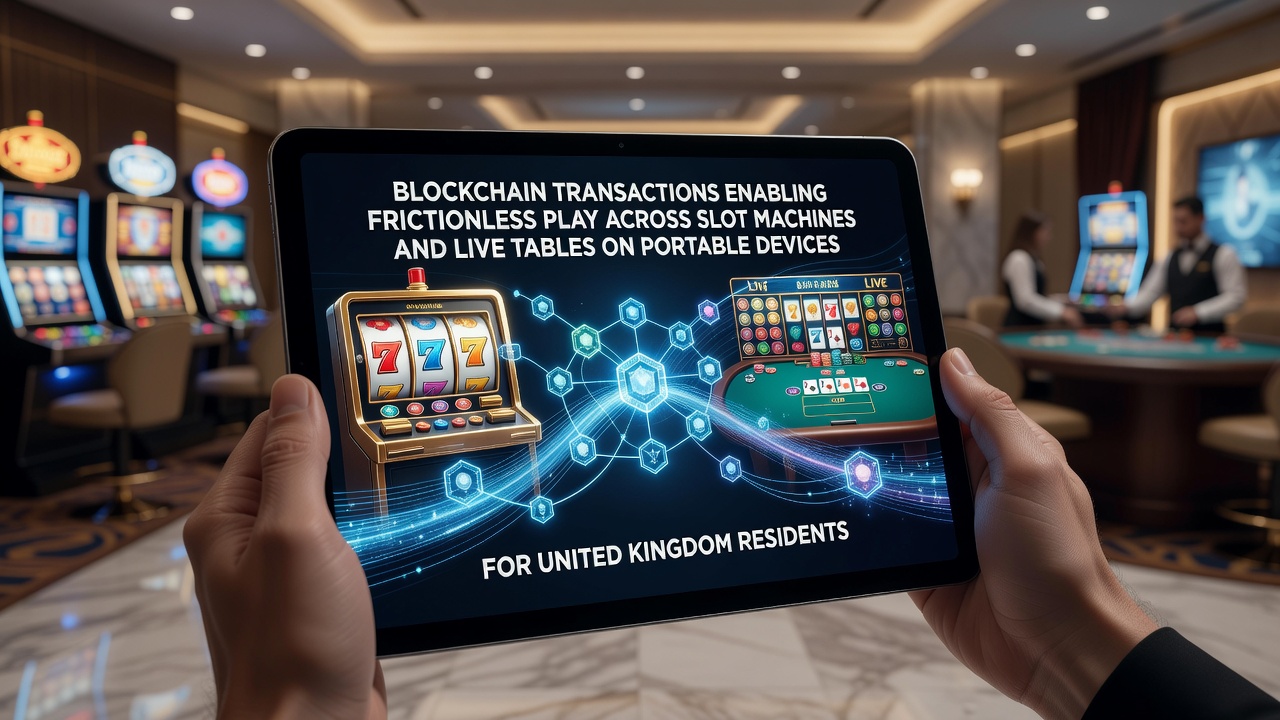
Blockchain networks have transformed how transactions occur in digital entertainment environments, allowing direct peer-to-peer value transfers that bypass traditional banking delays and verification layers, while residents across the United Kingdom access slot machines alongside live dealer tables through portable devices. These distributed systems record each exchange on immutable ledgers distributed among network participants, which reduces processing times from days to mere seconds and supports continuous play sessions without repeated authentication steps.
Developers integrate smart contracts into gaming platforms to automate payout triggers based on game outcomes, so when a player completes a round on a mobile slot or joins a live roulette table the contract executes the transfer immediately upon meeting predefined conditions. Observers note this approach eliminates intermediary fees that once accumulated during currency conversions and cross-border movements, particularly relevant for UK users who engage with international servers while maintaining compliance with local financial reporting standards.
Mechanics of Ledger-Based Transfers in Mobile Environments
Portable devices connect to blockchain nodes through lightweight wallet applications that generate unique addresses for each session, enabling deposits to fund play across multiple game types without exposing full account details. Data shows transaction confirmation occurs within blocks produced every few seconds on high-throughput chains, which sustains the pace required for live table interactions where timing affects strategy decisions. Researchers at academic institutions have documented how zero-knowledge proofs verify player balances without revealing transaction histories, thereby preserving privacy during extended mobile sessions that span slots with progressive jackpots and real-time blackjack tables.
Network upgrades implemented before July 2026 introduced layer-two scaling solutions that batch multiple small transfers into single on-chain records, cutting energy consumption and confirmation costs while UK residents switch between game categories on the same device. Industry organizations such as the European Gaming and Betting Association have tracked these efficiencies, noting reduced latency supports uninterrupted engagement whether users participate in high-frequency slot spins or multi-hand live dealer formats.
Application Across Slot Machines and Live Dealer Tables
Slot mechanics benefit from atomic settlement protocols that credit winnings directly to mobile wallets, allowing immediate reinvestment or withdrawal without waiting periods that previously interrupted momentum. Live table environments leverage the same infrastructure to settle side bets and main wagers in real time, with each outcome recorded on the ledger for transparent audit trails that regulators in various jurisdictions can review. Figures from research papers published through the National Bureau of Economic Research reveal adoption rates among mobile users rose steadily through mid-2026, driven by compatibility with existing smartphone operating systems and low data requirements for transaction broadcasts.
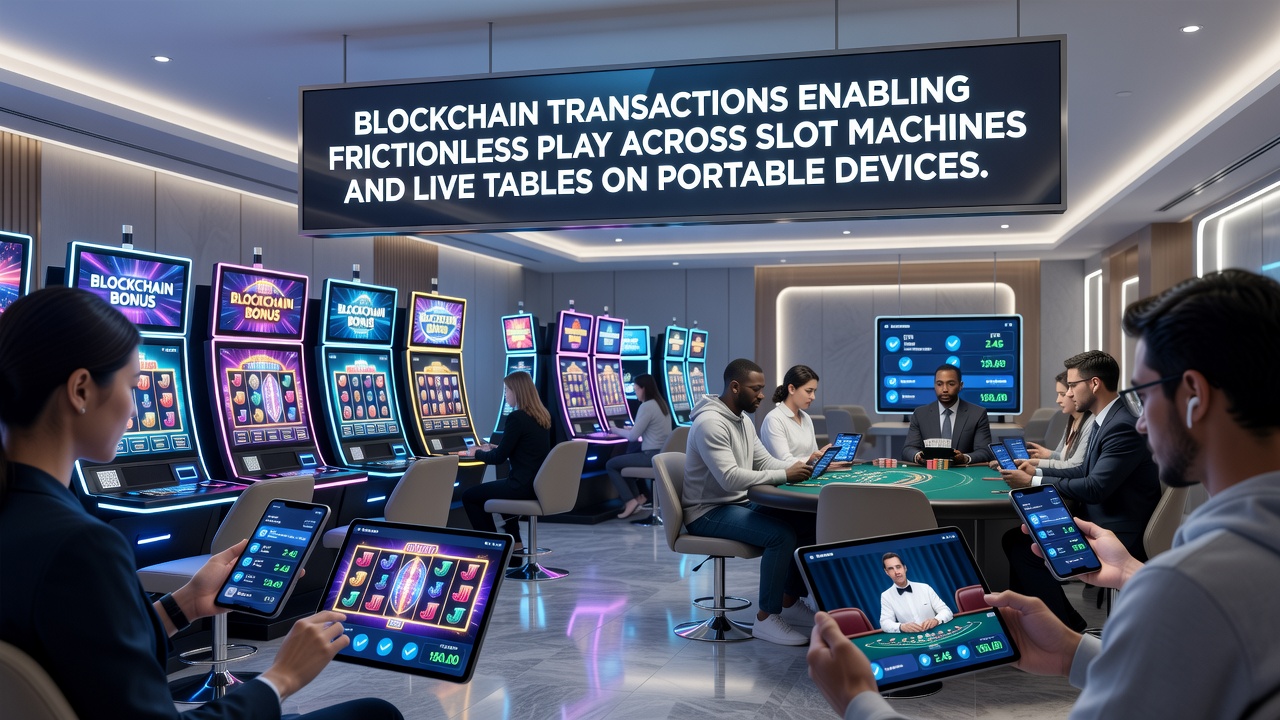
Cross-game functionality emerges when a single wallet address funds both automated slot reels and interactive live sessions, removing the need to transfer balances between separate accounts. Those who have examined usage patterns observe that players maintain session continuity across different titles because settlement finality occurs regardless of game provider, provided the underlying chain supports the required throughput. In July 2026 platform operators reported expanded support for stablecoin variants pegged to major currencies, which mitigates volatility concerns while UK residents navigate fluctuating exchange rates during extended portable play periods.
Security and Compliance Considerations
Public key cryptography underpins each transfer, so only holders of corresponding private keys can initiate movements from mobile wallets, reducing exposure compared with centralized payment processors that store sensitive details. Regulatory frameworks outside the United Kingdom, including those administered by bodies in Canada and Australia, have begun recognizing blockchain audit logs as sufficient evidence for responsible gaming monitoring, which encourages further integration. Experts have observed that multi-signature requirements can enforce spending limits set by users themselves, adding layers of control that align with broader consumer protection goals without restricting access to diverse game libraries.
Conclusion
Distributed ledger systems continue to refine transaction flows that connect slot machines with live dealer experiences on portable devices for United Kingdom residents, supported by ongoing protocol improvements documented through July 2026. These mechanisms deliver settlement speeds and transparency levels that integrate directly into existing mobile infrastructure, while external analyses from varied international sources confirm measurable gains in processing efficiency across the sector.