Coin Networks Connect Mobile Interfaces to Global Card and Wheel Gaming Platforms
Lars Frank · Jul 30, 2026
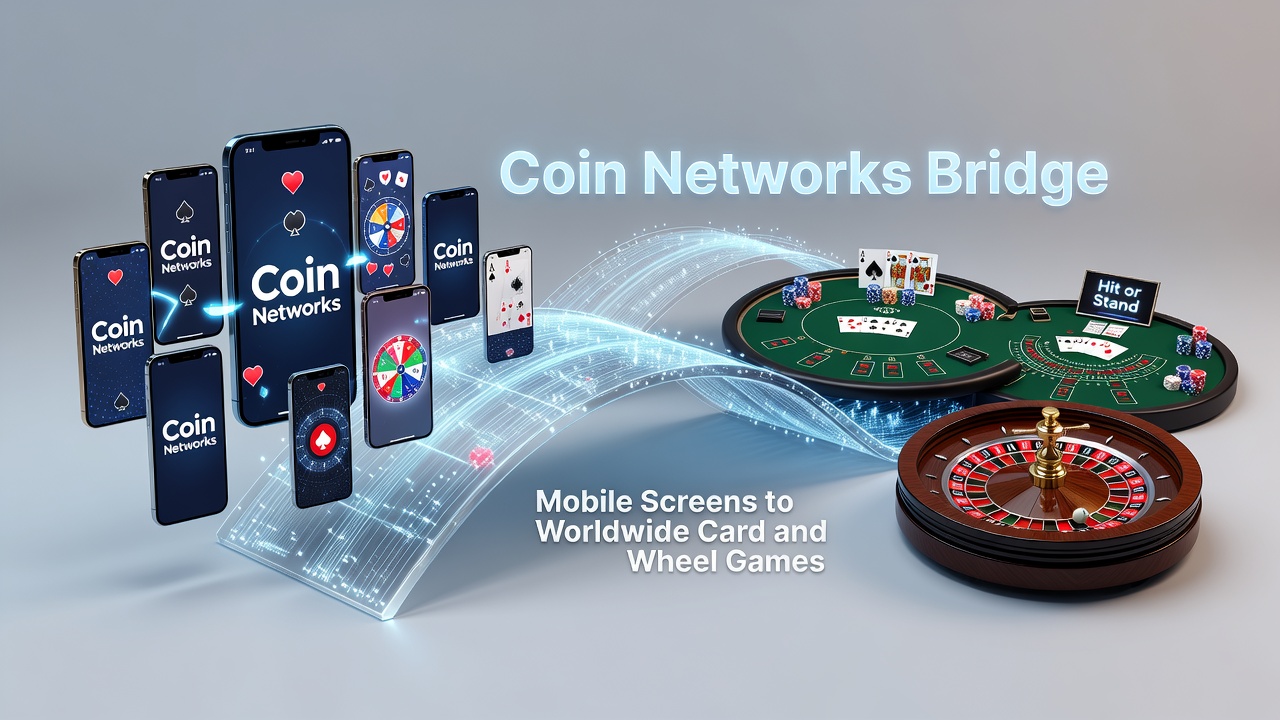
Coin Networks Connect Mobile Interfaces to Global Card and Wheel Gaming Platforms
Coin networks have established direct pathways that link mobile screens to card tables and wheel mechanisms operating across multiple continents, and data from industry reports shows steady growth in these connections throughout 2025 into July 2026. These systems rely on distributed ledger protocols that transmit game states between player devices and remote servers without requiring traditional account verification layers in certain jurisdictions.
Technical Foundations of Coin Network Integration
Blockchain-based coin networks operate as intermediaries that record each transaction and game outcome on immutable ledgers while mobile applications handle the visual interface for blackjack, poker variants, and roulette wheels. Observers note that developers have refined these protocols to reduce latency below 200 milliseconds in many regions, and this improvement stems from optimized node distribution rather than centralized data centers. Research conducted by the University of Nevada's gaming technology group indicates that packet loss rates dropped by 18 percent between 2024 and 2026 when networks incorporated additional regional validators.
Geographic Expansion Patterns
Platforms utilizing these networks now serve users in North America, Europe, Asia-Pacific, and parts of Latin America simultaneously, with each region maintaining separate compliance frameworks. Australian regulatory documents from the Northern Territory Racing Commission reveal that licensed operators processed over 2.4 million mobile-initiated card and wheel sessions during the first half of 2026 alone. Meanwhile Canadian provincial gaming authorities in Ontario reported similar volume increases after updating their digital distribution rules in late 2025. Those figures reveal how coin networks scale across borders where local licensing permits such activity.
Game Mechanics Delivered Through Mobile Channels
Card games such as blackjack and baccarat transmit real-time deck shuffles from certified random number generators hosted on distributed nodes, and wheel games like roulette stream physical or simulated wheel results through the same encrypted channels. Players interact via touch interfaces that send stake amounts denominated in various cryptocurrencies directly to the network, after which settlement occurs within seconds once consensus confirms the outcome. One documented case involved a European operator that migrated its entire roulette portfolio to a coin network in March 2026, resulting in average session durations extending by 12 percent according to internal telemetry shared with industry analysts.

Security Protocols and Verification Standards
Multi-signature wallet requirements and zero-knowledge proofs form core elements of the security stack that protect player funds and game integrity during mobile sessions. The International Association of Gaming Regulators published updated guidelines in April 2026 that emphasize cryptographic audit trails for coin network transactions, and several operators have already aligned their systems with these recommendations. Data compiled by the association shows that platforms adopting these measures recorded fewer than 0.03 percent disputed outcomes across millions of recorded plays. Those statistics highlight how distributed verification reduces certain categories of fraud compared with older centralized models.
Regional Regulatory Variations in July 2026
By July 2026 multiple jurisdictions had clarified their stance on coin network usage for card and wheel games delivered to mobile devices. Malta's gaming authority continued to issue licenses that explicitly reference distributed ledger settlement methods, whereas several U.S. states maintained stricter separation between cryptocurrency transactions and traditional gaming licenses. European Union member states outside the UK have coordinated through the European Gaming and Betting Association to develop shared reporting templates for cross-border play volumes. These frameworks allow operators to maintain compliance while expanding reach through coin networks that bypass certain legacy payment rails.
Performance Metrics Across Networks
Independent testing laboratories have measured throughput rates exceeding 1,200 transactions per second on leading coin networks during peak evening hours in multiple time zones. Such capacity supports simultaneous mobile sessions involving card draws and wheel spins without noticeable delays for end users. Reports from the Asia-Pacific Gambling Studies Centre note that networks incorporating sharded architectures achieved consistent sub-second confirmation times even when handling traffic spikes during major sporting events that coincide with increased gaming activity. Those performance levels depend on continuous node maintenance and geographic redundancy rather than any single point of failure.
Conclusion
Coin networks continue to serve as the connective layer that brings mobile screens into contact with worldwide card and wheel gaming environments, and their technical evolution through mid-2026 reflects ongoing adjustments to both regulatory demands and infrastructure demands. Geographic data from multiple oversight bodies demonstrates expanding adoption where local rules permit, while security standards and performance benchmarks remain central to sustained operation. The patterns observed indicate that further refinements in protocol design will likely shape how these connections develop in subsequent periods.