Cryptocurrency Infrastructure Facilitates Access for UK Users to International Mobile Gaming Platforms Offering Roulette and Blackjack
Finley Franke · Aug 27, 2026
Cryptocurrency Infrastructure Facilitates Access for UK Users to International Mobile Gaming Platforms Offering Roulette and Blackjack
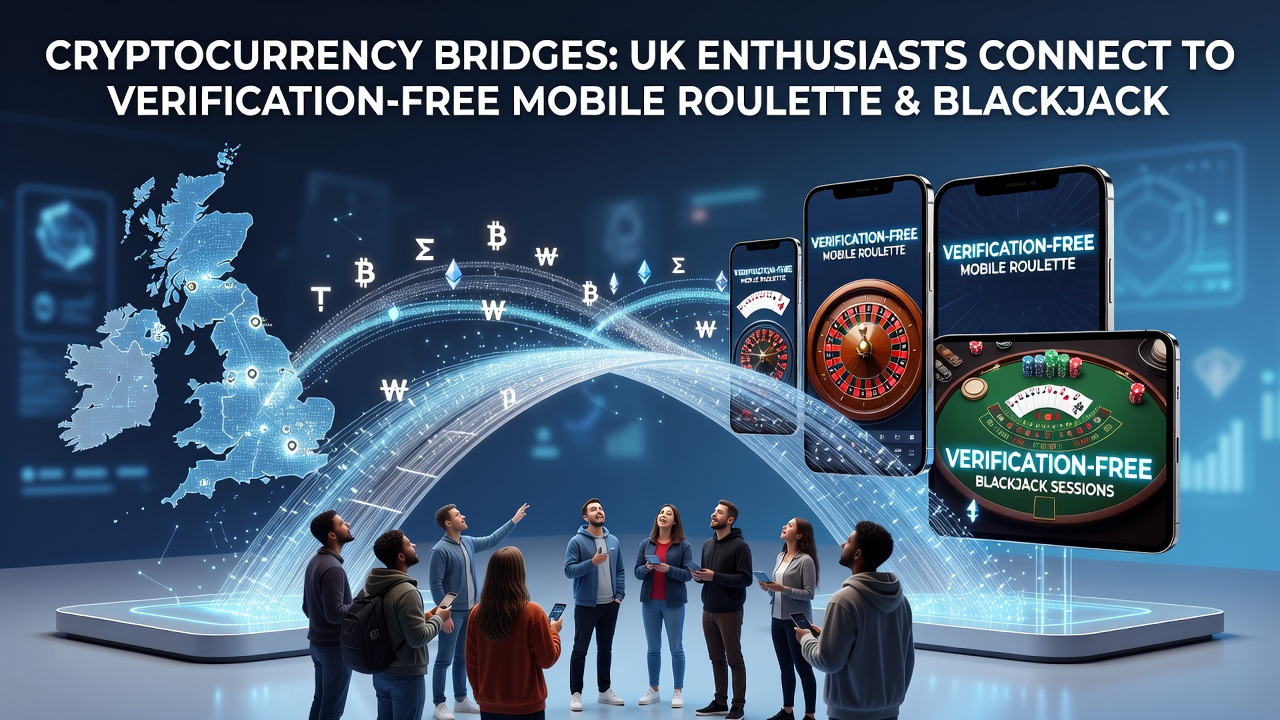
Blockchain networks and cross-chain bridges have expanded options for users seeking direct access to mobile gaming environments that feature roulette wheels and blackjack tables without standard identification checks, and these systems operate through decentralized protocols that transfer assets between different cryptocurrencies. Platforms built on such infrastructure handle transactions via tokens like Bitcoin and Ethereum while bypassing centralized verification layers in many cases, with data from industry sources indicating steady growth in mobile sessions throughout 2026.
Mechanics of Cross-Chain Transfers in Gaming Contexts
Bridges function as protocols that lock assets on one blockchain and release equivalent value on another, which allows players to move funds quickly between networks optimized for speed and low fees, and this process supports real-time deposits into mobile applications running live dealer games. Research from academic studies on distributed ledger technology shows that such transfers complete in minutes rather than hours, enabling continuous play on roulette and blackjack interfaces hosted by offshore operators. Observers note that security relies on smart contracts audited by third parties, although risks such as bridge exploits have prompted developers to implement multi-signature requirements and liquidity pools.
UK enthusiasts often utilize these pathways because they reduce exposure to domestic payment rails that mandate identity confirmation, and figures from financial technology reports reveal increased adoption of stablecoins for their price stability during gaming sessions. In August 2026 transaction volumes through major bridges reached new highs according to aggregated blockchain analytics, with mobile devices accounting for a significant share of activity in live table formats.
Mobile Platforms and Game Accessibility
Applications designed for iOS and Android deliver roulette spins and blackjack decisions through WebRTC streaming, where cryptocurrency wallets integrate directly for funding without traditional account registration, and this setup permits users to join tables hosted in jurisdictions with lighter regulatory oversight. Data indicates that session lengths average longer when verification steps are absent, as players move between games seamlessly. Industry organizations tracking digital entertainment trends report that blackjack variants with side bets and roulette wheels with multiple zero configurations attract the majority of traffic on these networks.
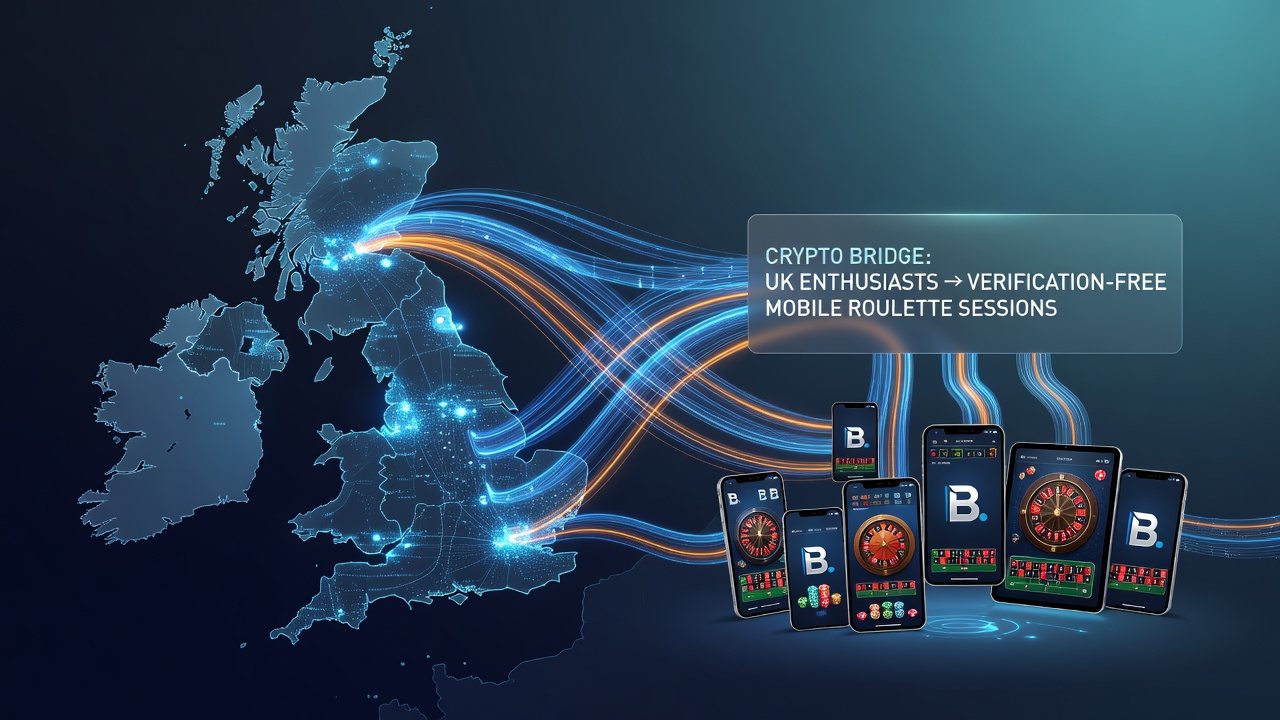
Operators maintain separate liquidity reserves to handle rapid withdrawals back through the same bridges, and this cycle supports repeat engagement without delays associated with bank processing. Experts have observed that compatibility with hardware wallets adds an extra layer for users prioritizing asset control during extended mobile sessions.
Regulatory and Operational Landscape in 2026
International frameworks vary widely, with some regions permitting cryptocurrency use in gaming while others impose restrictions, yet offshore platforms continue to serve global audiences including those from the UK through bridge-enabled access, and reports compiled by the European Gaming and Betting Association highlight that cross-border crypto flows represent a growing segment of digital entertainment activity. European Gaming and Betting Association statistics from earlier in the year documented shifts toward decentralized payment methods in mobile environments. Meanwhile, analyses from Canadian research institutions on fintech adoption note parallel increases in bridge utilization for entertainment purposes across borders.
Security protocols on these platforms incorporate encryption and two-factor authentication tied to wallet addresses rather than personal documents, which aligns with the verification-free model. Those who monitor blockchain metrics point out that August 2026 saw elevated activity on networks supporting instant settlement for table games, reducing the window for third-party interference.
Future Patterns and User Considerations
Developers continue refining bridge efficiency through layer-two solutions that batch transactions and lower costs, which in turn supports higher frequency of mobile roulette and blackjack participation without friction from network congestion. Evidence from distributed systems research suggests ongoing improvements in interoperability will expand the range of assets usable for such sessions. Users weigh factors including bridge reputation and historical uptime when selecting pathways, and aggregated usage data shows preference for established protocols over newer entrants.
Conclusion
Overall, cryptocurrency bridges have created direct channels linking UK participants to mobile environments featuring roulette and blackjack through verification-light models, with operational trends in August 2026 underscoring sustained integration of these technologies into gaming infrastructure worldwide. Continued evolution in protocol design and regulatory responses will shape accessibility patterns moving forward.