Digital Asset Transfers Opening Global Gaming Options for UK Participants
Lars Frank · Jul 30, 2026
Digital Asset Transfers Opening Global Gaming Options for UK Participants
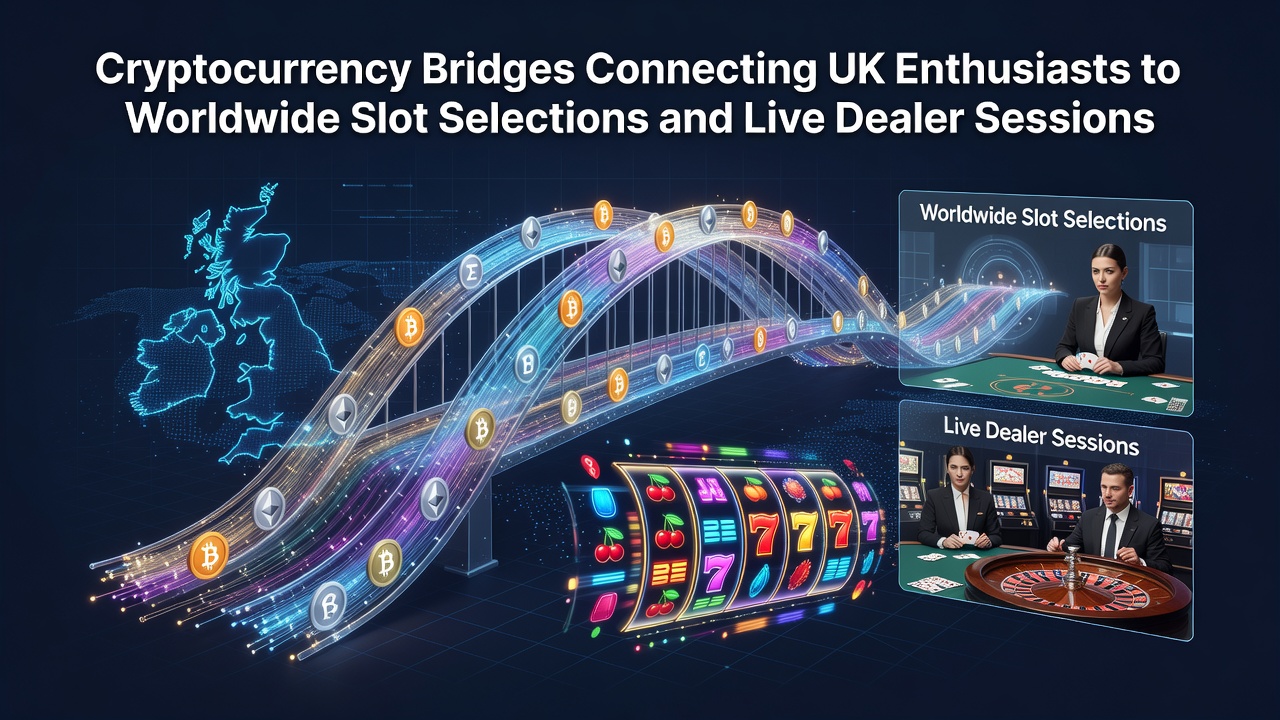
Digital currency systems have expanded access to slot selections and live dealer sessions on platforms operating outside traditional UK boundaries, and observers note that these tools function as connectors between different blockchain networks while enabling direct transfers of value across borders. Research from academic institutions shows rising adoption rates among participants seeking broader game libraries, and data from industry reports indicates that such methods reduce reliance on conventional banking channels during July 2026.
Mechanics of Cross-Chain Connections in Gaming Contexts
Platforms utilize specialized protocols to move assets between blockchains, which allows users to deposit funds into international sites offering extensive slot catalogs alongside real-time dealer interactions, and experts have documented how these processes maintain transaction records on decentralized ledgers. According to findings from the Alcohol and Gaming Commission of Ontario, transaction volumes involving digital assets in gaming environments grew substantially in recent years, while similar patterns appear in reports issued by Australian regulatory bodies tracking cross-border activity.
Those who monitor market trends point out that integration often occurs through intermediary services handling conversions, yet the core function remains consistent across providers because users initiate transfers from personal wallets directly to platform addresses. Studies published by research institutions highlight efficiency gains compared to older payment rails, and figures reveal shorter processing times for both deposits and withdrawals on many international operators.
Expansion of Slot Libraries and Live Experiences
Worldwide operators connected via these systems present thousands of slot titles drawn from multiple software developers, and live dealer sessions cover variants of table games streamed in high definition to participants located in the United Kingdom. Data shows that availability extends beyond domestic restrictions, which creates opportunities for engagement with themes and mechanics not always featured on locally licensed sites, and researchers discovered increased session durations among users accessing these expanded selections.
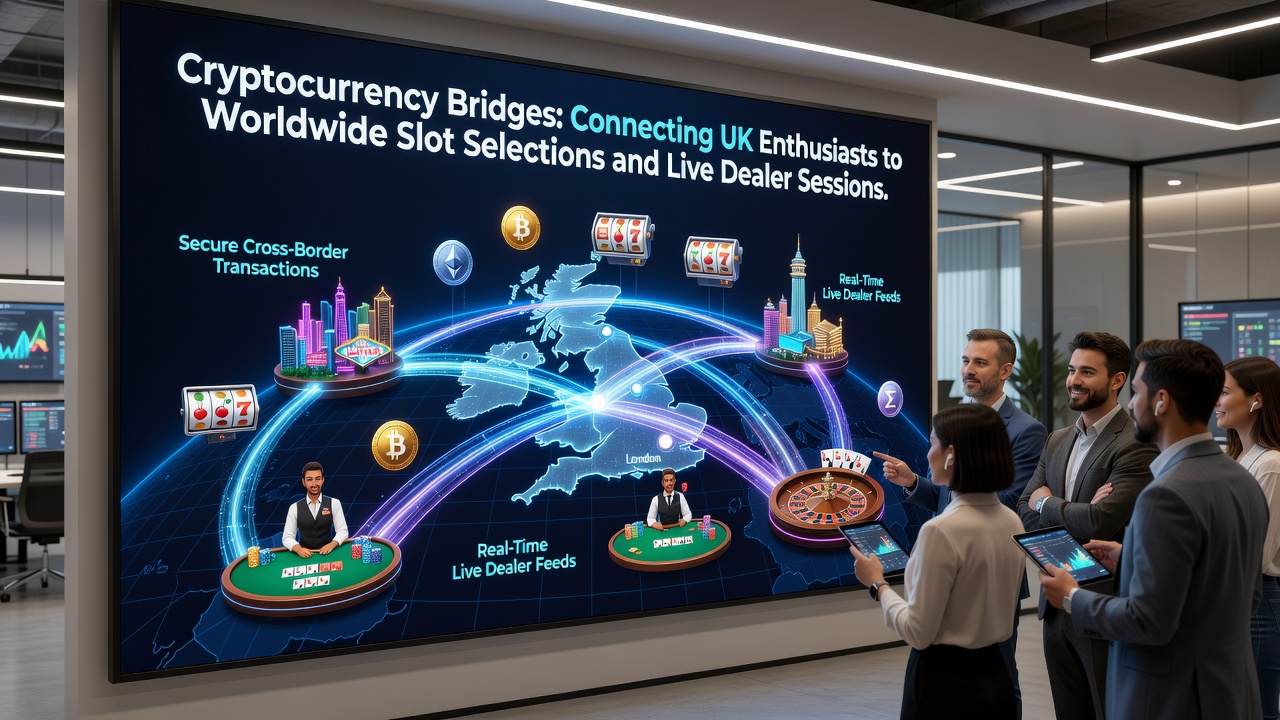
One analysis from a European gaming association revealed that live dealer traffic surged during periods when crypto options became more prominent, and participants frequently combine slot play with interactive tables within single sessions. Observers note that mobile compatibility has improved because many protocols support direct wallet connections without additional software installations.
Regulatory Variations Across Jurisdictions
Licensing frameworks differ significantly depending on the operator location, and participants encounter standards set by offshore authorities rather than domestic ones, which leads to varied approaches regarding player verification and game fairness testing. Reports from Canadian provincial regulators emphasize the importance of understanding these differences before engaging, while academic papers on digital finance in gaming stress the need for awareness of tax implications tied to asset transfers.
Industry organizations tracking global trends documented that July 2026 saw continued growth in crypto-enabled platforms, although enforcement actions in certain regions created shifts in available options for UK-based users. Those studying the sector observe that wallet security practices remain critical because private keys control access to funds throughout the process.
Transaction Patterns and Platform Features
Users report that transfers complete within minutes on supported networks, and this speed contrasts with traditional methods that sometimes involve multi-day holds, yet network congestion can occasionally extend timelines. Evidence from multiple studies indicates that fee structures vary by blockchain chosen, and participants often select lower-cost options for smaller transactions while reserving higher-capacity chains for larger amounts.
Live dealer interfaces integrate with these payment systems through automated balance updates, which allows seamless continuation of play after deposits, and slot games frequently feature progressive elements funded across player pools from different countries. Figures from trade group summaries show steady increases in the number of titles accepting direct crypto inputs during the first half of 2026.
Conclusion
Digital asset pathways continue to shape how UK participants interact with international slot selections and live dealer formats, and ongoing developments in blockchain interoperability suggest further refinements ahead. Information compiled from regulatory bodies and research entities provides context for those examining these connections, while patterns observed through July 2026 reflect broader adoption of decentralized transfer methods within the gaming sector.