Distributed Ledger Systems Powering Cross-Border Mobile Interactions with Worldwide Slots and Live Tables for UK Participants
Parker Weber · Jun 4, 2026
Distributed Ledger Systems Powering Cross-Border Mobile Interactions with Worldwide Slots and Live Tables for UK Participants
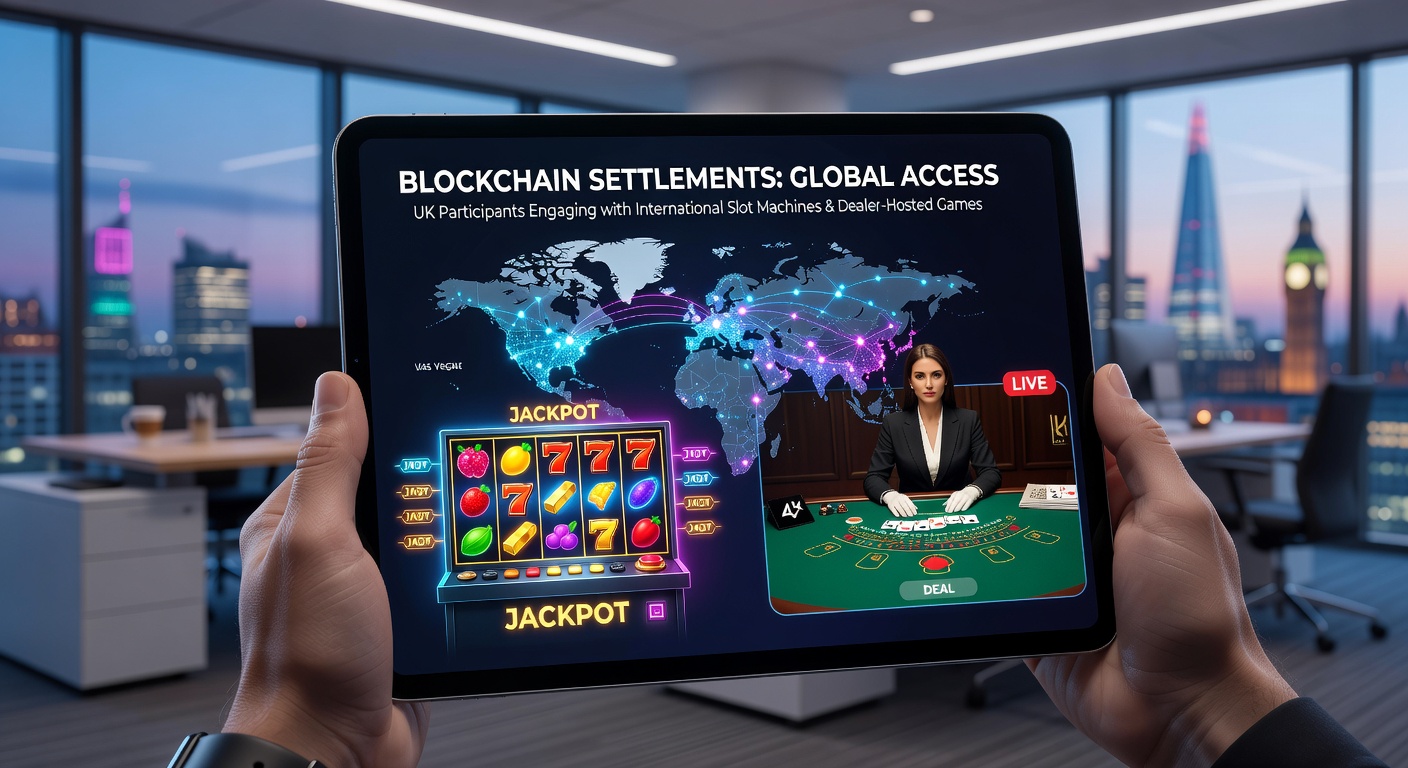
Research from industry analysts shows blockchain settlements have created efficient pathways for financial transactions that support access to international gaming environments, allowing UK participants to interact with slot machines and dealer-hosted games through portable devices without traditional banking delays. Data indicates these systems rely on decentralized verification processes that confirm transfers in seconds rather than days, which aligns with the growing demand for immediate engagement on smartphones and tablets as of June 2026.
Core Mechanics of Blockchain Settlements in Gaming Contexts
Blockchain networks operate through distributed ledgers that record each transaction across multiple nodes, eliminating the need for centralized intermediaries while maintaining transparency and security, and this structure enables participants to fund accounts or receive winnings directly on mobile applications. Observers note that smart contracts automate payout conditions once game outcomes are verified, which reduces processing times and supports continuous play sessions on handheld devices connected to global platforms.
Studies from academic sources highlight how cryptographic hashing protects transaction details during transfers between UK-based users and international servers, ensuring that slot spins or live table bets settle without exposing sensitive financial information. Those who have examined these networks find that the immutability of records prevents disputes over balances, providing a stable foundation for extended mobile sessions involving roulette wheels or blackjack tables hosted abroad.
Mobile Accessibility Expands Through Decentralized Verification
Portable devices now integrate wallet applications that interface directly with blockchain protocols, allowing UK participants to deposit funds and join dealer-hosted games in real time while traveling or at home. Evidence suggests this integration removes geographic restrictions because transactions bypass conventional payment rails, connecting users to slot collections and live environments maintained on servers in multiple jurisdictions. Figures from technology reports reveal that mobile data usage for such gaming has risen steadily since early 2025, driven by improved network speeds and optimized applications that handle ledger queries efficiently.
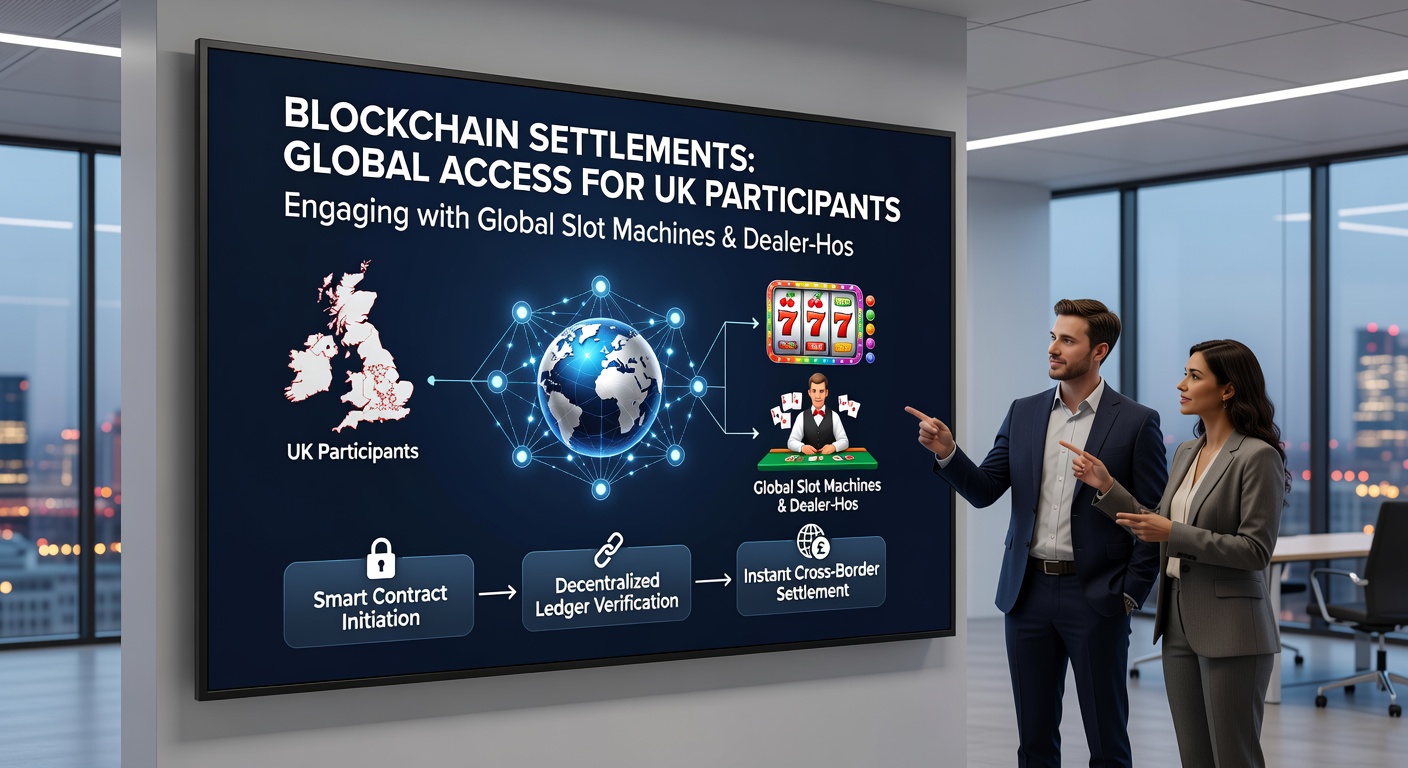
What's interesting is the way these systems support cross-currency conversions automatically during settlement, enabling participants to engage with games denominated in various digital assets without manual intervention. Researchers at institutions examining digital finance have documented cases where settlement finality occurs within a single block confirmation cycle, which keeps gameplay uninterrupted even during peak hours on international platforms.
Global Reach for Slots and Dealer Experiences
UK participants gain entry to extensive slot libraries maintained by operators licensed in regions outside domestic oversight, and blockchain settlements facilitate instant credit updates that reflect each spin outcome on mobile screens. Data from the iGaming Ontario regulatory framework demonstrates how similar ledger-based systems have supported seamless participation across borders, with transaction volumes increasing as mobile interfaces improve. Live dealer tables benefit equally because video streams pair with on-chain bet placements, allowing real-time interaction while winnings return to user wallets without additional verification layers.
One analysis from the European Gaming and Betting Association outlines patterns where decentralized settlements have reduced average payout intervals from hours to minutes, which encourages longer engagement periods with global blackjack and roulette offerings. Those monitoring industry trends note that participants often switch between multiple slot themes and dealer tables within a single session, supported by the low-latency confirmations blockchain networks provide on portable hardware.
Technical Considerations for Sustained Mobile Engagement
Network scalability remains central because increased transaction loads during evening hours require protocols capable of handling thousands of simultaneous settlements without congestion. Reports compiled by university research teams indicate that layer-two solutions layered atop primary blockchains address these demands by batching confirmations, which maintains responsive interfaces for UK users accessing international content. Security protocols embedded in these systems use multi-signature wallets that require device-specific approvals, adding protection while preserving the speed essential for live dealer interactions.
Observers point out that energy-efficient consensus mechanisms adopted in 2025 and 2026 have lowered operational costs for platforms, indirectly supporting broader availability of mobile-optimized games that include progressive slot jackpots and themed dealer environments. This evolution connects directly to participant preferences for uninterrupted sessions on devices with varying screen sizes and processing capabilities.
Conclusion
Blockchain settlements continue to reshape access patterns by providing reliable, rapid transaction capabilities that link UK participants with worldwide slot machines and dealer-hosted games through portable technology. Data shows these mechanisms operate independently of traditional financial calendars, creating consistent availability regardless of time zones or banking hours. As networks refine their capacity and mobile applications incorporate additional features, the framework supports expanded interactions while maintaining teh verification standards that underpin trust in cross-border environments.