Mobile-First Ecosystems Where Digital Assets Streamline Entry to International Table Games and Reward Structures
Hugo Hartmann · Jun 9, 2026
Mobile-First Ecosystems Where Digital Assets Streamline Entry to International Table Games and Reward Structures
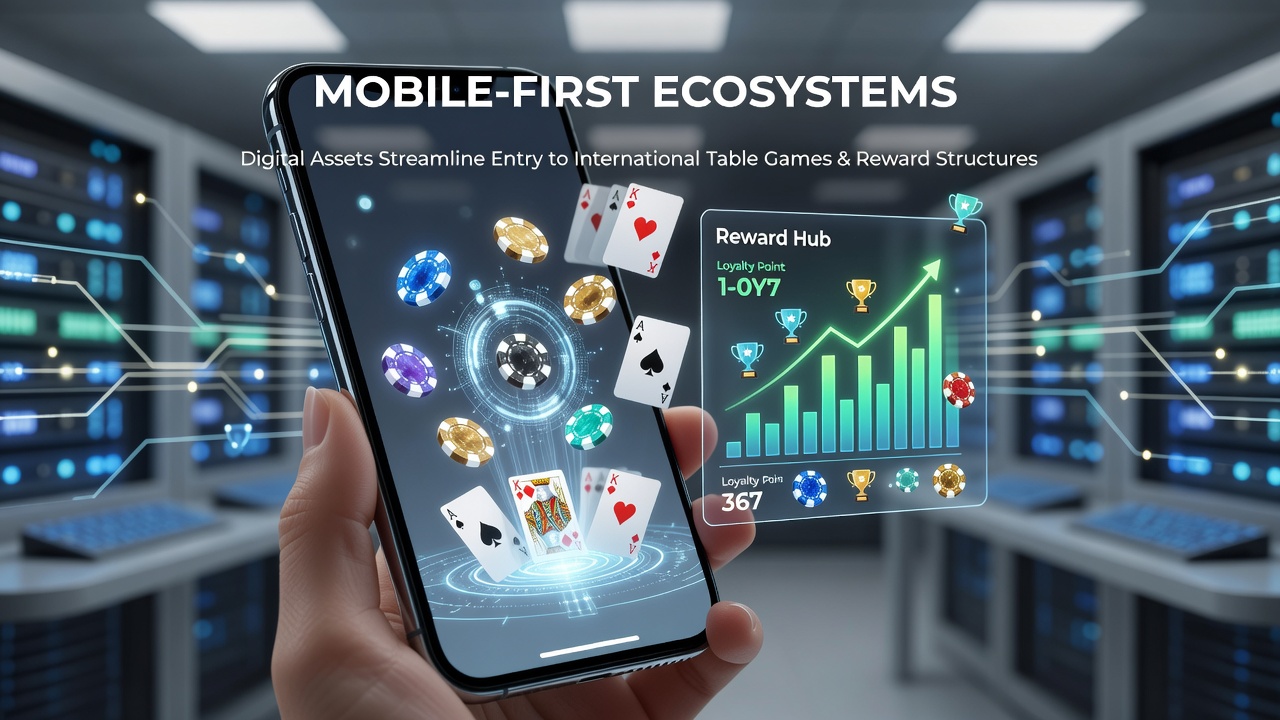
Mobile platforms have expanded rapidly since 2020 as developers integrate digital asset systems directly into app architectures. These ecosystems allow users to access table games such as blackjack, roulette and poker through streamlined wallet connections rather than traditional account setups. Data from the European Gaming and Betting Association shows mobile usage accounted for 68 percent of global interactive gaming sessions by early 2025, with digital asset integrations rising in parallel across multiple jurisdictions. Operators build these environments around blockchain protocols that handle both entry verification and in-game transactions. Players connect existing digital wallets to begin sessions, which reduces steps compared with legacy registration flows. Reward structures often tie into the same ledgers so loyalty points convert automatically into tokens that unlock table game variants or bonus rounds. Research published by the University of Nevada, Reno gaming laboratory indicates that token-based rewards improve retention metrics by 22 percent on average when implemented in mobile table game modules.Architecture of Mobile Ecosystems
Developers design these systems with cross-platform compatibility at the core, supporting iOS and Android alongside emerging device categories such as foldables and wearables. Application programming interfaces connect directly to major digital asset networks, enabling instant balance updates during live table sessions. A single interface can route players to licensed tables in multiple regions while maintaining consistent reward tracking across those environments.
Security protocols rely on multi-signature wallet approvals and on-chain verification rather than centralized databases. This approach aligns with standards set by bodies such as the Malta Gaming Authority, which updated its technical guidelines in March 2026 to address digital asset custody requirements. Integration testing conducted by independent labs confirms that transaction finality occurs within seconds for most supported networks, allowing seamless movement between game lobbies and reward redemption screens.
Entry Mechanisms for International Table Games
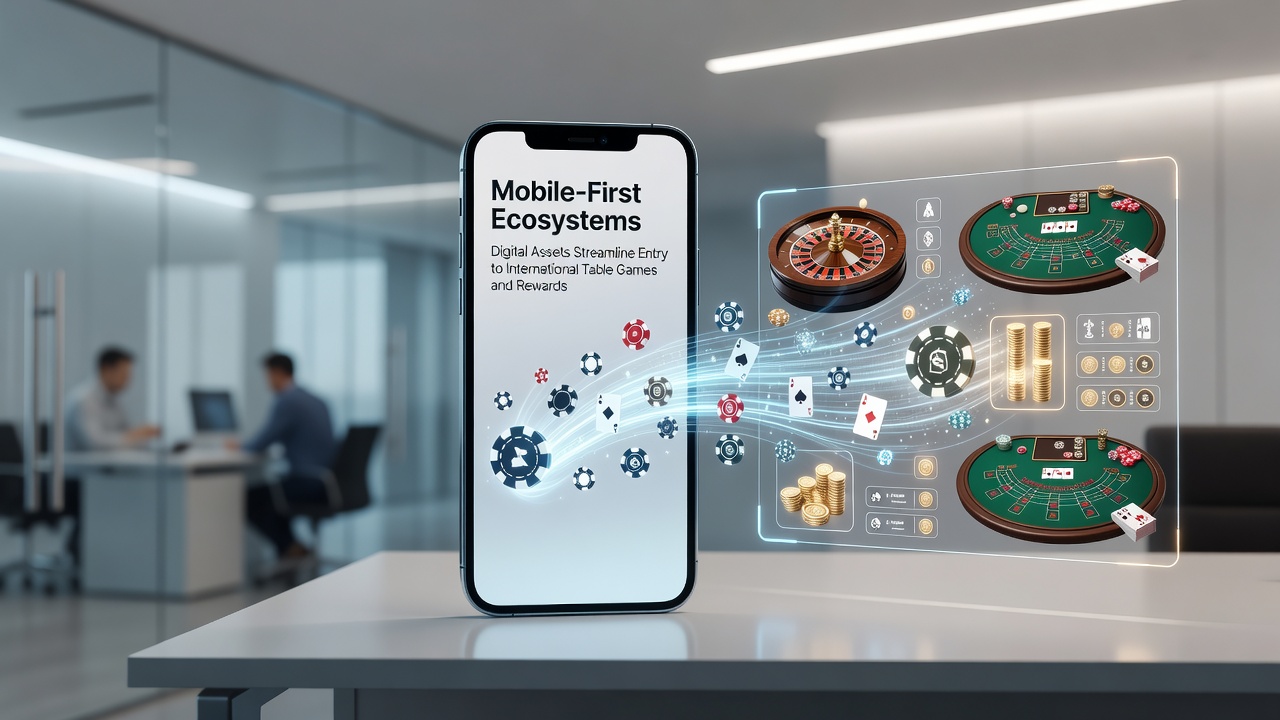
Digital assets function as the primary bridge to international tables by replacing currency conversion layers with direct ledger transfers. Users select a game jurisdiction through the app menu, and the system calculates required stakes in the native token before confirming participation. Live dealer streams remain synchronized with wallet balances so participants see real-time deductions without exiting the mobile view.
Geolocation tools combined with regulatory APIs restrict access according to each jurisdiction's rules, yet the underlying asset layer stays uniform. Figures released by the Asia Pacific Gambling Association reveal that cross-border table game participation via mobile grew 31 percent year-over-year through the first half of 2026. The same report notes that reward structures linked to these entries now incorporate tiered token multipliers based on session duration and game type.
Reward Structures and Token Integration
Reward systems in these ecosystems track activity on distributed ledgers that record both gameplay and loyalty accrual. Points convert to digital assets at predefined rates, which then appear in the user's connected wallet for immediate use or withdrawal. Progressive reward pools often fund larger table game tournaments where participants stake tokens to enter higher-stakes environments.
Operators have introduced smart contract logic that automatically distributes seasonal bonuses when certain play thresholds are met. According to a 2025 industry report by the Canadian Gaming Association, platforms using automated token rewards recorded a 17 percent increase in average session length compared with static point systems. These contracts also enforce jurisdictional compliance by freezing rewards tied to restricted regions until users relocate or adjust their settings.
Operational Trends Observed in June 2026
By June 2026 several major platforms had rolled out unified mobile dashboards that combine table game access with asset portfolio views. Updates focused on reducing latency during peak hours while expanding supported networks to include newer layer-two solutions. Observers note that reward redemption interfaces now include predictive analytics that suggest optimal token allocations for upcoming international events.
Partnerships between gaming operators and digital asset custodians have produced standardized APIs adopted across multiple continents. These connections allow players to maintain single wallet identities while moving between licensed markets. Data compiled by the International Association of Gaming Regulators indicates consistent growth in daily active users on such integrated platforms throughout the second quarter of 2026.
Conclusion
Mobile-first ecosystems continue to evolve through tighter coupling of digital assets with table game access and reward delivery. The mechanisms described rely on established protocols, regulatory frameworks, and measurable usage patterns rather than speculative projections. Continued development in wallet technology and cross-jurisdictional APIs will shape how these systems scale in subsequent periods.