Smartphone Application Designs Enabling Direct Engagement with Live Gaming Tables and Virtual Reel Devices Using Cryptocurrency Transactions for UK Users
Logan Bauer · Jul 9, 2026
Smartphone Application Designs Enabling Direct Engagement with Live Gaming Tables and Virtual Reel Devices Using Cryptocurrency Transactions for UK Users
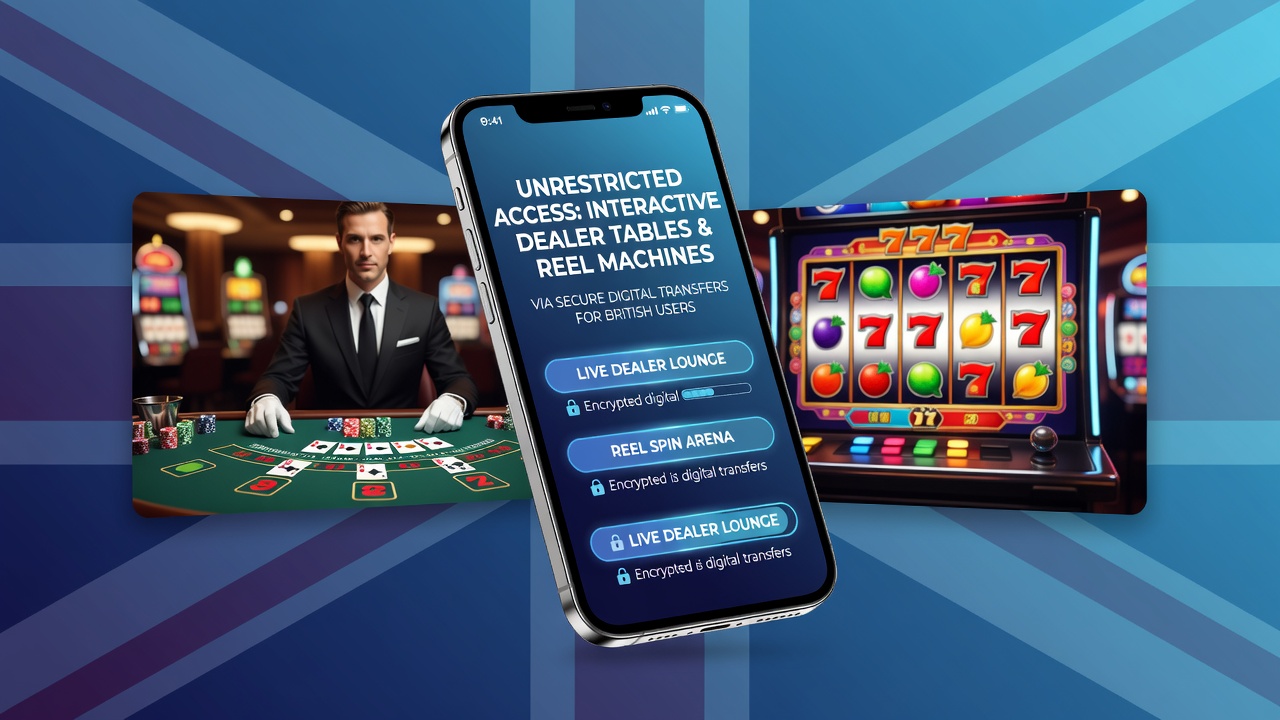
Smartphone interfaces have evolved to support direct connections between British users and live dealer tables along with automated reel systems, with touch-optimized layouts streamlining navigation across game categories while digital transfers handle funding through blockchain networks and electronic wallets. These designs incorporate responsive elements that adjust to various screen sizes, allowing players to switch between interactive blackjack sessions and spinning reel options without interruption during July 2026 platform updates.
Interface Features Supporting Live Interactions
Modern mobile applications present high-definition video feeds from dealer tables where users place bets via gesture controls, and data shows that latency reductions in 5G networks have improved real-time synchronization for UK participants connecting to offshore servers. Reel machines appear in vertical scroll formats optimized for one-handed operation, with symbols and paylines updating dynamically as transfers complete through integrated crypto gateways.
Observers note that developers prioritize intuitive menus which group live dealer options alongside slot libraries, reducing the steps required to load a session, and this structure supports multiple simultaneous tables when device processors handle the demands. Research from the National Center for Responsible Gaming indicates that interface simplicity correlates with higher session durations across mobile platforms in various regions.
Digital Transfer Mechanisms in Practice
Electronic transfers via cryptocurrencies enable instant deposits that appear in user accounts within seconds, bypassing traditional banking delays for British users accessing international platforms. Wallets integrated into the smartphone apps facilitate withdrawals that process through the same channels, with transaction logs visible directly on the device screen for verification purposes.
Studies conducted by Australian gambling research institutions reveal that blockchain-based payments have increased in adoption rates among mobile users since early 2025, particularly where local regulations permit offshore participation. These systems maintain encryption standards that protect data during transfers, allowing continuous play across dealer tables and reel machines without repeated authentication prompts.
Platforms often feature one-touch access buttons that launch either a live table or a reel game after the initial transfer clears, and this setup accommodates varying network conditions common in the United Kingdom. Data from industry reports highlights that such efficiencies have contributed to expanded mobile usage patterns documented through mid-2026.

Regional Access Patterns Among British Users
British users connect through applications available on standard app stores or direct browser access, where interface elements adapt to regional preferences such as currency displays in pounds alongside crypto equivalents. Live dealer environments simulate physical casino atmospheres with multiple camera angles selectable via screen taps, while reel machines incorporate progressive jackpot indicators updated in real time.
Figures from Canadian regulatory analyses demonstrate parallel growth in mobile gaming interfaces across jurisdictions that permit similar digital access methods, providing comparative context for UK patterns. These interfaces often include customizable settings for sound, speed, and bet limits that users adjust mid-session without exiting the active table or reel display.
Technical Developments in July 2026
Updates rolled out during July 2026 introduced enhanced graphics rendering for smartphone displays, enabling sharper visuals on both dealer interactions and reel animations while maintaining low data consumption during extended sessions. Integration with emerging wallet protocols has further streamlined transfers, allowing British users to fund accounts from decentralized networks without intermediary services.
Those monitoring industry trends report that compatibility with newer device models has expanded reach, particularly for users favoring compact screens where interface scaling prevents clutter during live play. External data sources such as National Center for Responsible Gaming publications track these interface advancements across global markets.
Comparative Platform Elements
Offshore environments accessed via mobile interfaces often combine live dealer tables with extensive reel libraries in single applications, and this consolidation reduces the need for multiple logins. Transfer speeds remain consistent across different networks, supporting uninterrupted sessions that switch between game types based on user selections.
Academic reviews from European research bodies have examined how these combined features influence participation rates, noting correlations with improved device hardware capabilities in recent years. British users benefit from these setups through standardized navigation that mirrors desktop experiences yet optimizes for portability.
Conclusion
Smartphone interfaces continue to shape access pathways to live dealer tables and reel machines through digital transfer systems for UK users, with ongoing refinements documented into July 2026 reflecting broader technological integration. Platform operators maintain these features across offshore networks where transaction methods prioritize speed and direct connectivity. Australian gambling support resources provide additional context on similar access trends observed internationally.